
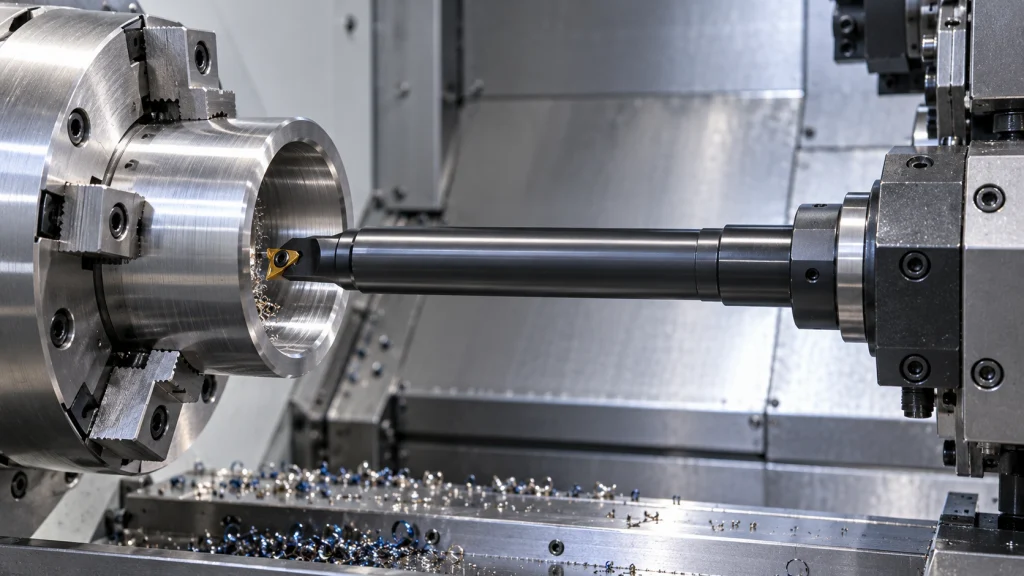
Chatter After Installing a Damped Boring Bar: What to Check
Troubleshoot chatter after fitting a damped boring bar: check clamping, head seating, insert condition, workpiece support and chip evacuation in order.
Read article →Practical guides to CNC tool selection, machining materials, tool geometry, coatings and tool life.
Troubleshoot chatter after fitting a damped boring bar: check clamping, head seating, insert condition, workpiece support and chip evacuation in order.
Read article →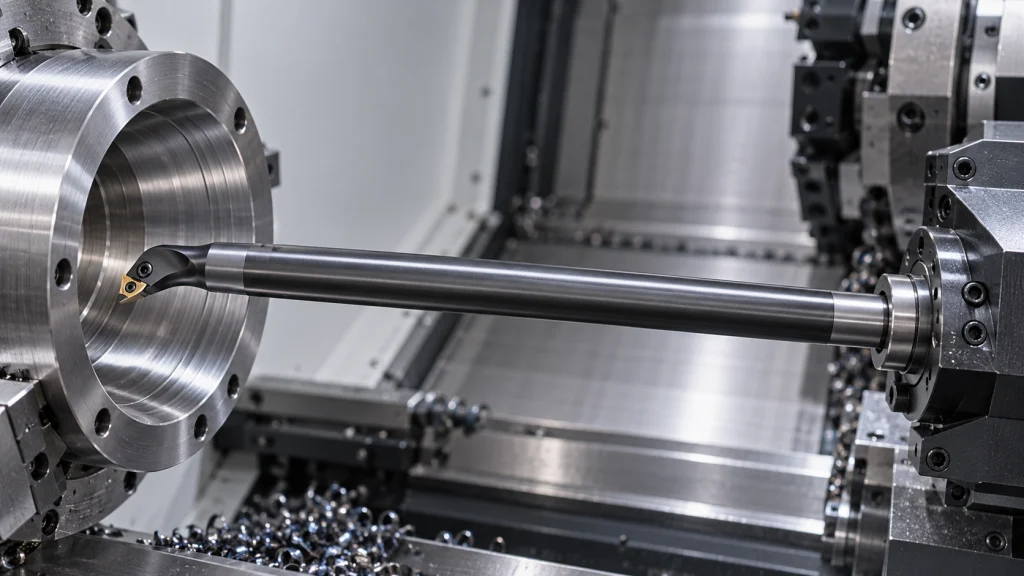
Understand how damped boring bars reduce vibration, why damping differs from stiffness, and which setup limits still need manufacturer confirmation.
Read article →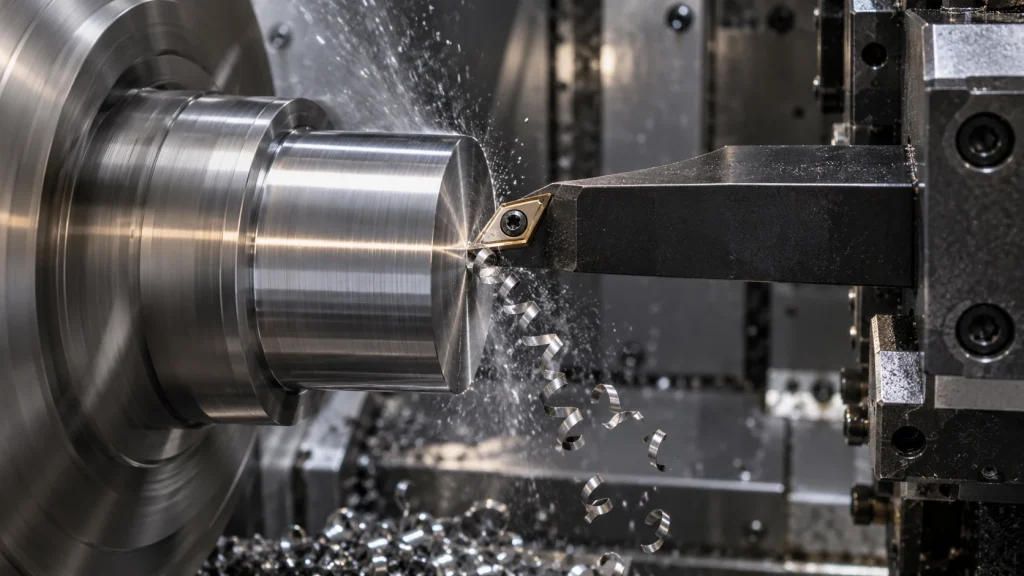
Check SDACR/L and DCMT compatibility using full holder and insert designations, pocket dimensions, screw fit and handedness before assembly.
Read article →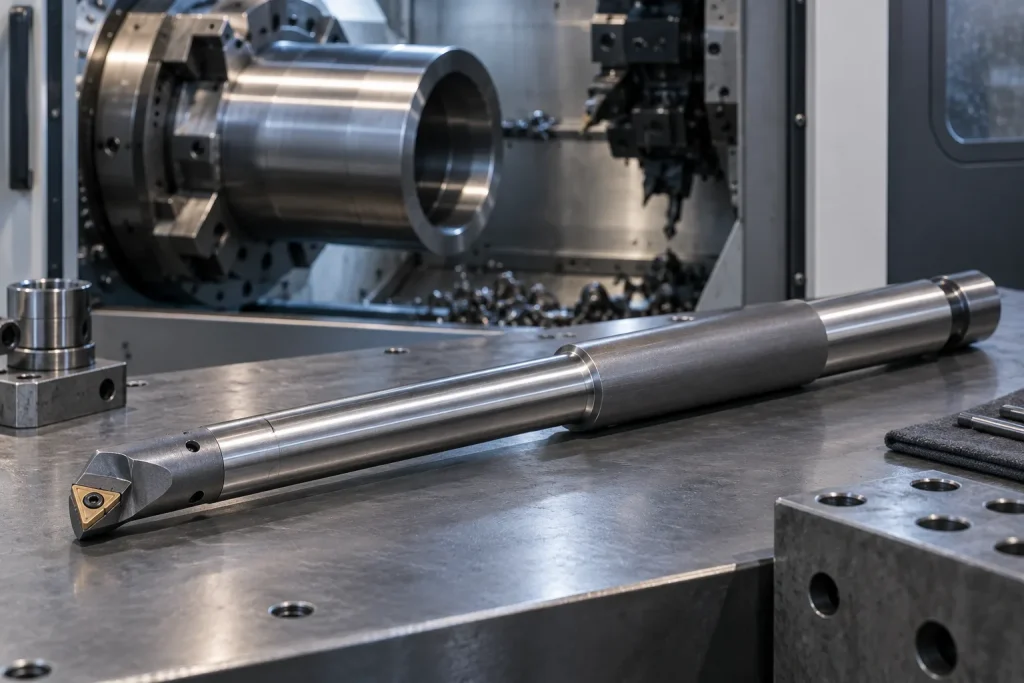
Prepare a damped boring bar RFQ with bore geometry, cutting-edge reach, machine interface, material, tolerance and coolant requirements clearly identified.
Read article →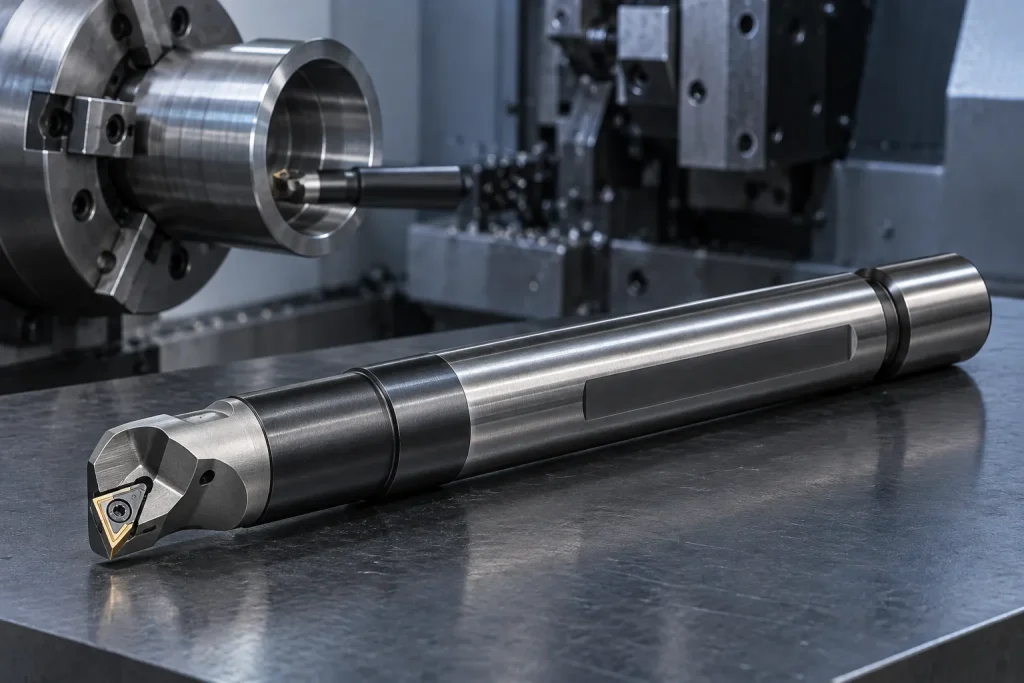
Diagnose vibration in boring mills by separating tool overhang, workpiece support and spindle behavior before choosing a damping solution.
Read article →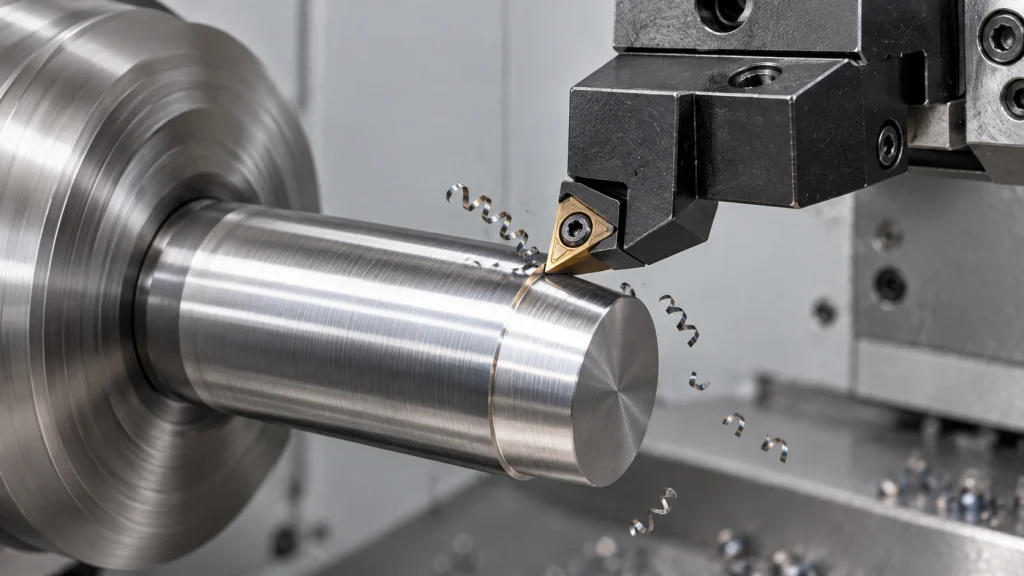
Choose a 91-degree right-hand CNC holder for external turning and facing. Check insert fit, shank interface, cutting direction and setup clearance.
Read article →